
Last updated November 21, 2026
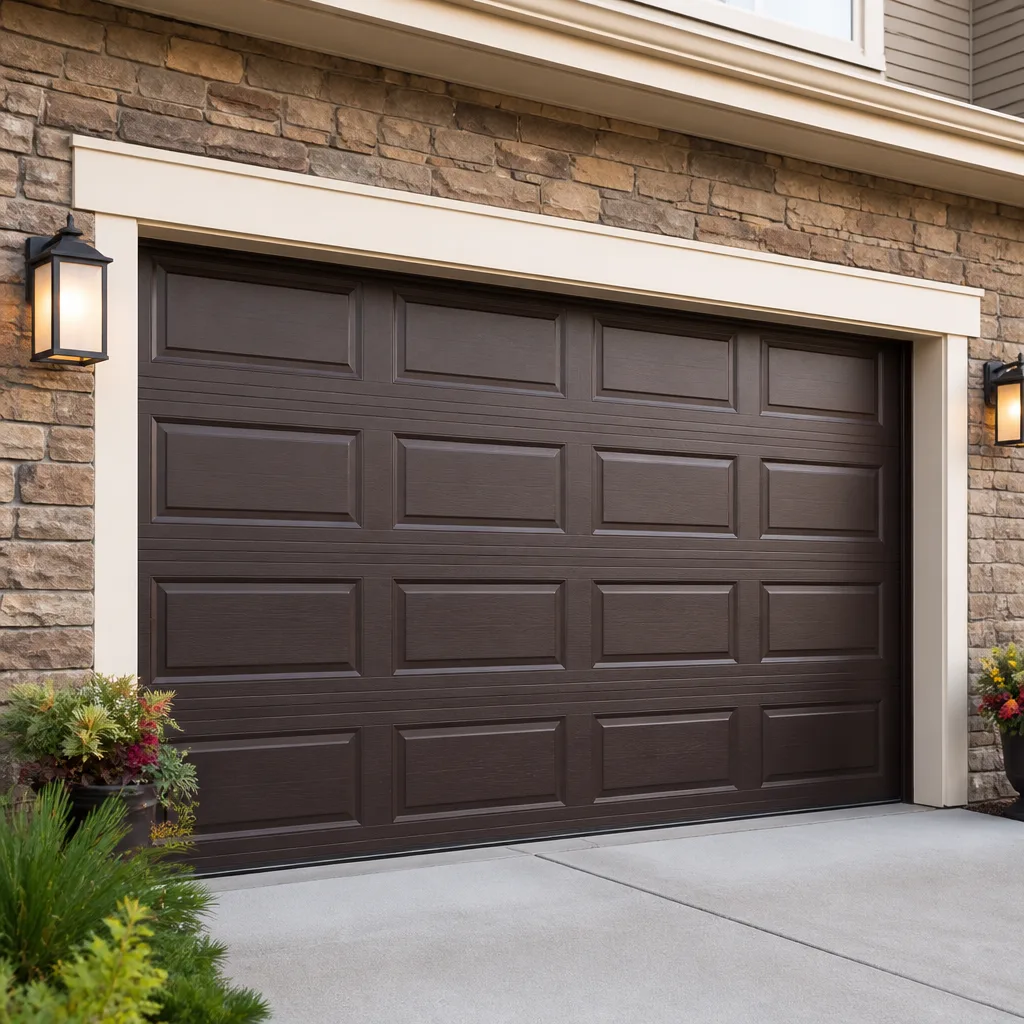 Raised-panel steel
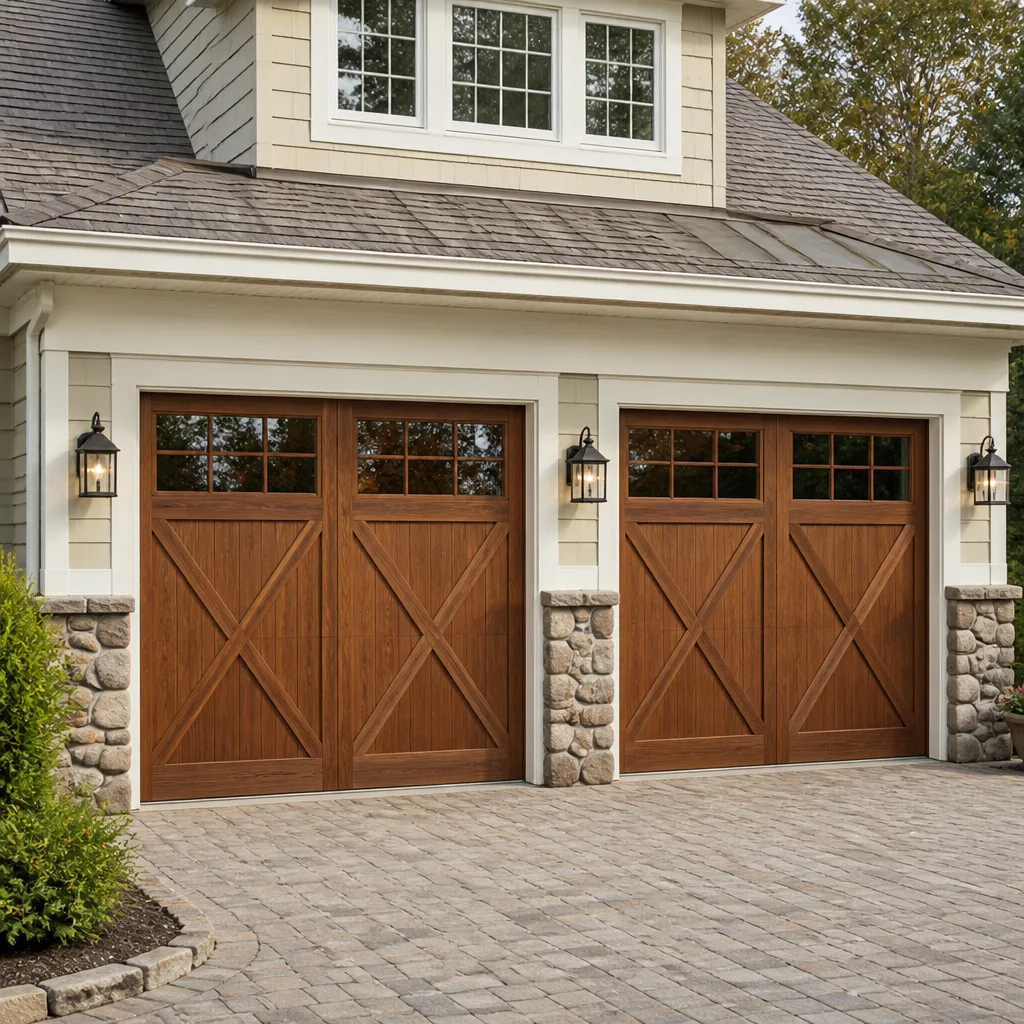 Carriage house
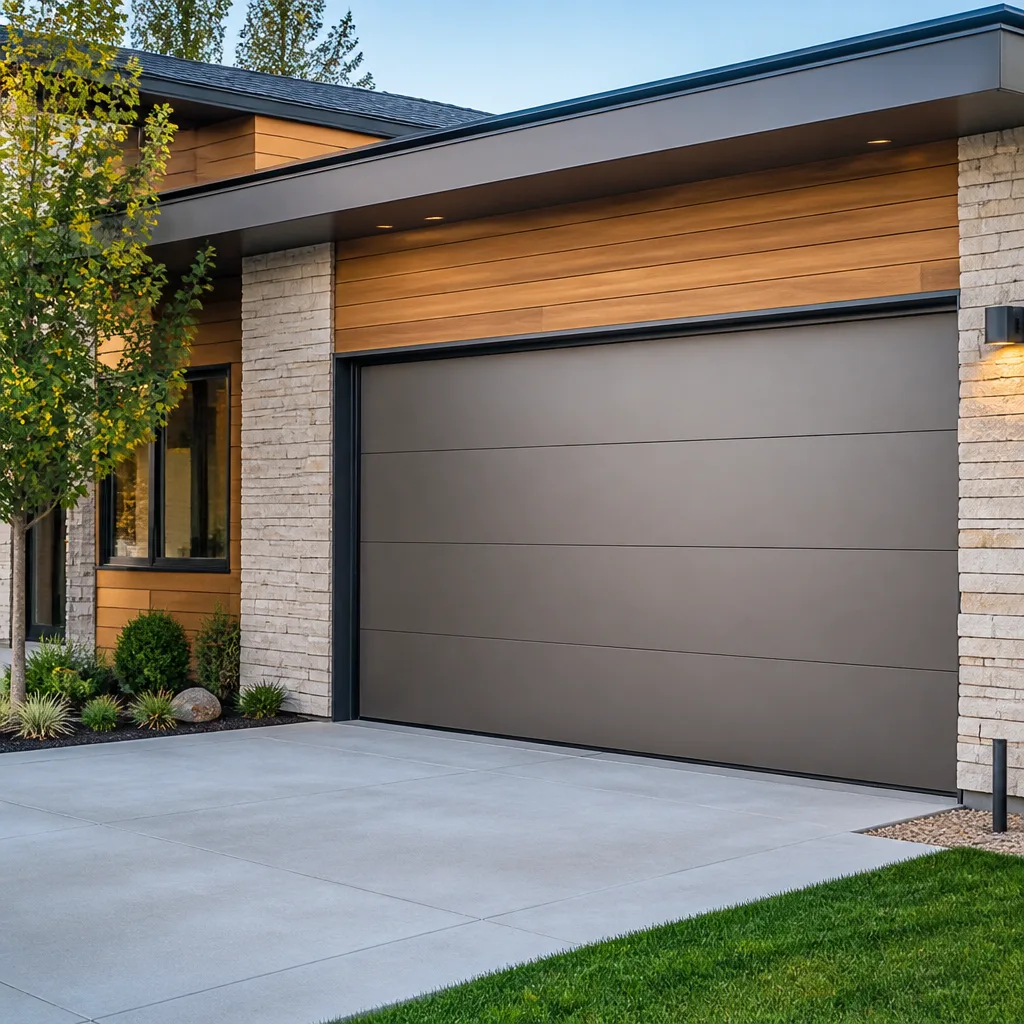 Modern flush
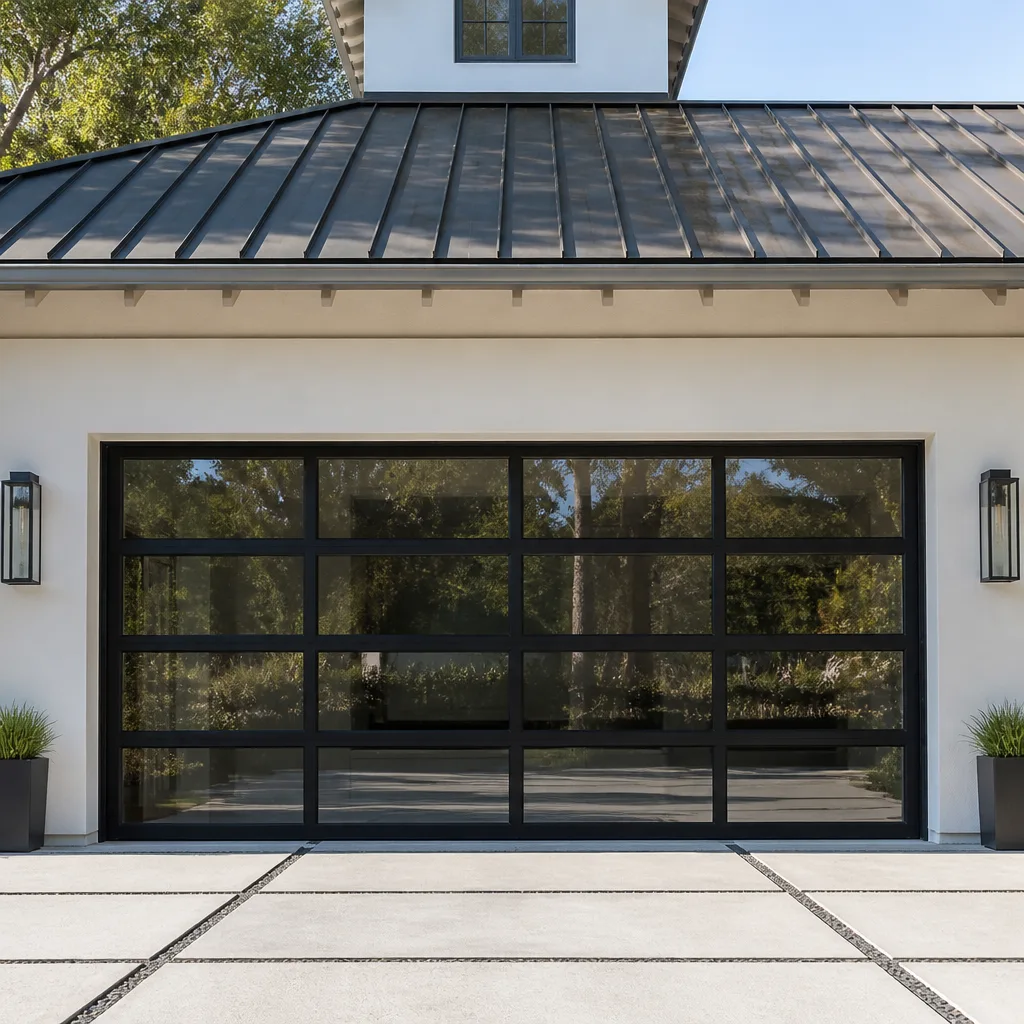 Full-view glass
 LiftMaster openers
 Chamberlain openers
Full 25-point door and opener safety check with every visit - springs, cables, rollers, tracks, and your LiftMaster or Chamberlain opener included
You get a price before we start. It does not change when the pro arrives.
Get your free estimateSeasonal Garage Door Care for Port Orange: Year-Round Homeowner’s Guide
Most home maintenance calendars tell you to book one garage door checkup in the fall. If you follow that advice in Port Orange, you’ve already missed the season that does the most damage to your door. Hurricane season runs June through November, and the highest-stress stretch for springs, tracks and hardware tends to hit in August and September, long before any October appointment. Port Orange doesn’t give us four neat seasons. It gives us a storm season, a dry contraction window, a short mild winter and a spring pollen wave, and each one loads the door in a different way. What follows is a maintenance calendar built around Florida’s real climate instead of a template written for colder states.
Quick Answer
Garage door care in Port Orange works best on a three-period calendar rather than a fall checkup: a pre-hurricane inspection in May, humidity and heat checks through July and August, a post-storm reset after any tropical system, dry-season lubrication and weatherstrip work from December through February, and pollen cleanup in March and April. Springs, tracks, sensors and weather seals each fail on their own timeline here, so one annual visit doesn’t catch everything.
Styles & brands we work with
- Raised-panel steel
- Carriage house
- Modern flush
- Full-view glass
- LiftMaster openers
- Chamberlain openers
Table of Contents
- Why Port Orange Needs a Different Maintenance Calendar
- May: The Pre-Hurricane Season Checklist
- July and August: Heat, Humidity and Opener Drift
- September to November: The Post-Storm Reset
- December to February: Dry-Season Care Window
- March and April: Pollen Season and Sensor Alignment
- What to Check in Each Month: Quick Reference
- When to Call a Professional
Why Port Orange Needs a Different Maintenance Calendar
Garage door guides written for the Midwest assume the enemy is cold. Springs stiffen, grease thickens and steel contracts through a hard winter, so the annual tune-up lands before the first freeze. None of that applies here. In Port Orange, the door faces sustained heat, heavy humidity, wind-driven rain during storm season and a spring pollen load that coats everything outside. That’s a different set of stresses, and they don’t all peak at the same time.
Three periods do most of the work on your door:
- Hurricane season (June through November) puts the most demand on the door as a structure. Wind pressure, repeated opening and closing before and after storms, and power outages that force manual operation all stress the springs, cables, rollers and tracks at once. The peak tends to land in August and September.
- Dry season (roughly December through February) is when humidity drops and the door quiets down. That makes it the best window for lubrication, cable inspection and weatherstrip replacement, because the work won’t be undone by heat and rain the following week.
- Pollen season (March and April) is short but specific to Central Florida. Oak and pine pollen settles on the safety sensors, the bottom seal and the tracks, and a dirty sensor lens is one of the most common reasons a door refuses to close.
Read together, these give Port Orange homeowners a maintenance rhythm that looks nothing like the fall-only advice you’ll find on most home maintenance sites. A door that gets attention in May, a humidity check in mid-summer, a reset after any storm and a lubrication pass in winter will outlast one that only gets a look in October.
May: The Pre-Hurricane Season Checklist
May is the last calm month before storm season really settles in, which makes it the right time to look at the door as a piece of wind-rated hardware rather than just something that opens and closes. You’re not trying to make the door hurricane-proof. You’re trying to catch the small failures that turn into big ones when a tropical system sits offshore for a few days.
- Check the emergency release cord. Pull the handle and confirm the door disengages from the opener smoothly, then re-engage it. In a power outage this cord is the only way to open the door by hand, and a stiff or frayed one fails exactly when you need it. If the cord is worn or the trolley won’t re-latch, that’s a repair, not a wait-and-see.
- Test manual operation with the opener disengaged. Lift the door halfway and let go. It should stay put with modest effort. A door that drops on its own, or one that takes both hands and a shoulder to lift, means the springs are out of balance and the opener is doing work it wasn’t built to do.
- Look at the hardware holding the door to the house. Hinges, brackets, track hangers and the bolts into the framing should all be tight. Loose hardware rattles under wind load and can pull free over a long storm.
- Inspect the bottom seal and side weatherstripping. A seal that’s cracked or pulled away lets wind-driven rain in and gives wind a place to grab. Replace it before the season, not after water has already found the gap.
- Clear the tracks and test the safety sensors. Debris in the tracks and misaligned sensors stop the door mid-travel, and that’s a problem you want to find on a quiet May afternoon rather than during a storm warning.
If any of this turns up something you’re not comfortable with, particularly anything involving springs or cables, stop there. Our garage door repair service covers everything on this list, and a May visit is far cheaper than a mid-storm scramble.
July and August: Heat, Humidity and Opener Drift
Mid-summer is when Port Orange homeowners start noticing small annoyances that didn’t exist in spring. The door reverses for no clear reason. It stops a few inches short of closing. It sounds louder. None of these are random; they’re the predictable result of heat, humidity and an opener that needs recalibration.
Three things cause most of the trouble:
- Wood panel swelling. If your door has wood or wood-composite panels, sustained humidity makes them swell slightly. That can bind against the frame, throw off the door’s balance and put extra strain on the springs and opener. A door that suddenly needs more force to move in August is often a fitting problem, not a motor problem.
- Track misalignment from thermal expansion. Steel and aluminum tracks expand in the heat. If the mounting brackets were set tight or the tracks were already slightly out of plumb, the expansion can push a roller out of alignment. You’ll hear a scrape or a thump on one side as the door travels.
- Opener sensitivity drift. Modern openers use force limits and travel limits that were set when the door was installed. Heat, humidity and a slightly swollen door can push the door past those limits, so the opener reads normal resistance as an obstruction and reverses. That’s why a door that worked fine in April suddenly won’t close in July.
What to do: run the door a few times a week during the hottest stretch and pay attention to changes in sound and speed. Wipe the tracks clean and check that the safety sensors are aimed at each other and unobstructed. If the door reverses on its own or stops short, don’t keep pressing the remote hoping it sorts itself out. A quick recalibration is often all that’s needed, and brand knowledge helps: whether the opener is a LiftMaster or a Craftsman, the limit and force settings are adjusted differently, and knowing which system you’re looking at saves diagnostic time. Our garage door opener repair service handles that recalibration.
September to November: The Post-Storm Reset
One of the biggest mistakes after a tropical storm is assuming that a door which still opens is a door that’s fine. Wind events often leave damage that doesn’t announce itself. A door can look intact, run up and down smoothly, and still have a bent track, a stretched cable or a slightly twisted panel that will get worse with every cycle.
After any tropical system, run through this reset:
- Look at the door closed, from the inside. Stand in the garage and look at the horizontal lines of the panels. If they’re no longer parallel, a panel or a hinge has shifted and the door’s structural integrity is compromised.
- Check the tracks for bends. Even a small kink in a track will wear a roller down over a few weeks. Run your hand along the inside edge of each vertical track and feel for dents or bends.
- Inspect the cables for fraying. Cables run at high tension under the springs. Look for loose strands, kinks or a cable that’s sitting off its drum. Do not touch, adjust or attempt to re-seat a cable yourself; they can snap without warning.
- Test the safety reverse and the photo-eye sensors. Place an object in the door’s path and confirm the door reverses. Then check that the sensors are aligned and that their lenses are clean of debris and water spots.
- Re-check the balance. Disengage the opener, lift the door to halfway and let go. If it doesn’t hold, the springs came out of the storm out of balance.
If any of those checks turn up an issue with the springs or cables, that’s the point to stop and call. Our garage door spring repair is one of our named specialties for exactly this reason: post-storm spring and cable failures are common, and spring work is not a job to improvise.
December to February: Dry-Season Care Window
Once the rainy season lets up, the door quiets down, and that’s your best stretch of the year to get ahead of summer. The work you do here won’t be undone by heat and rain the following week, so lubrication and weatherstrip last longer. Treat this as your maintenance window and the rest of the year gets easier.
What to handle in the dry season:
- Lubrication. Use a garage-door-specific lubricant on the rollers, hinges and the torsion spring coils, not general-purpose grease. A dry lubricant on the hinges and rollers won’t attract the dust and grit that heavy grease does.
- Cable inspection. This is the time to look closely at the cables for wear, fraying or corrosion at the drum. If you see anything that concerns you, call before summer; a cable that fails in August is a different situation entirely.
- Weatherstrip replacement. Worn bottom seals and side weatherstripping should be replaced now, so the new seal has a full season of mild weather to settle and conform before it starts doing real work against rain and wind.
- Balance check. A cool, quiet month is a good time to test balance, listen for new noises and check the rollers for flat spots or wear.
- Opener service. Have the opener’s force and travel limits checked and its belt or chain inspected. A door that runs smoothly in January is more likely to keep up through August.
If you own a Wayne Dalton, Raynor or another brand with specific hardware, knowing the system matters here. Different brands use different spring configurations, drums and opener logic, and brand-fluent diagnosis saves time and misdiagnosed repairs.
March and April: Pollen Season and Sensor Alignment
Pollen season in Port Orange is short but specific. The heavy oak and pine pollen coats every horizontal surface, including the inside of your garage door’s bottom seal, the safety sensor lenses and the tracks. Two things happen as a result.
First, the sensors. Photo-eye sensors rely on a clear line of sight between the two units. Pollen on the lens is enough to break that line, and the door reads it as an obstruction and refuses to close, or closes and immediately reopens. If your door started acting up in March and nothing else changed, clean the sensor lenses with a dry cloth first, before you assume the opener has failed.
Second, the bottom seal. Pollen accumulates in the folds of the seal and, when it gets wet in spring rain, turns into a gritty paste that wears the rubber down. That accelerates seal failure and lets water in. Wipe the bottom seal down and inspect it for cracks; if the seal is already worn, replace it before the summer storm season rather than after.
Pollen also settles into the tracks and the roller races. A dry wipe-down of the vertical tracks with a rag, followed by a check that the rollers are turning freely, will prevent the noise and drag that builds up over the season. This is also a good time for a full checkup before hurricane season starts in June.
What to Check in Each Month: Quick Reference
If you want one place to look each month, use this. It’s the same calendar in table form, and it’s the version we’d hand a Port Orange homeowner who wants to stay ahead of the door without memorizing a service manual.
- January to February: Lubricate rollers, hinges and springs. Inspect cables. Replace worn weatherstripping. Check door balance and test the opener’s force settings. This is the maintenance month to prioritize.
- March to April: Clean pollen from the safety sensors, bottom seal and tracks. Check sensor alignment. Inspect the bottom seal for wear and cracking.
- May: Pre-hurricane inspection. Emergency release cord, manual operation, hardware tightness, bottom seal and side weatherstripping, sensors and tracks.
- June to August: Monitor for swelling wood panels, track misalignment and opener sensitivity drift. Recalibrate if the door reverses on its own or stops short. Wipe tracks and check sensors weekly during the hottest stretch.
- September to November: Post-storm reset after any tropical event. Panel alignment, track bends, cable fraying, safety reverse, sensor alignment and door balance.
- December: Transition into the dry-season maintenance window. Full lubrication and inspection pass.
Two months on this list, May and August, deserve professional attention rather than a homeowner-only pass. May because it’s the last calm window before storm season, and August because that’s when humidity and heat combine to stress the whole system.
See the difference
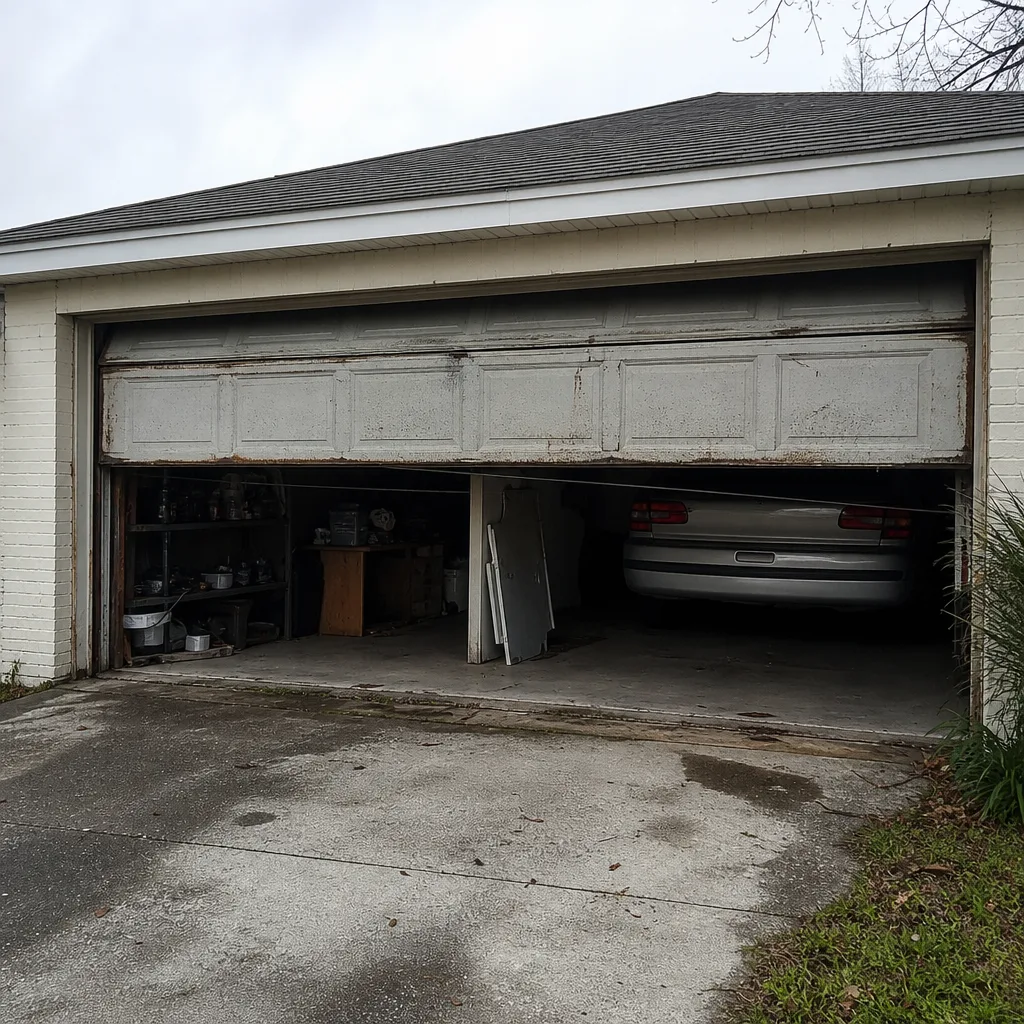 Before
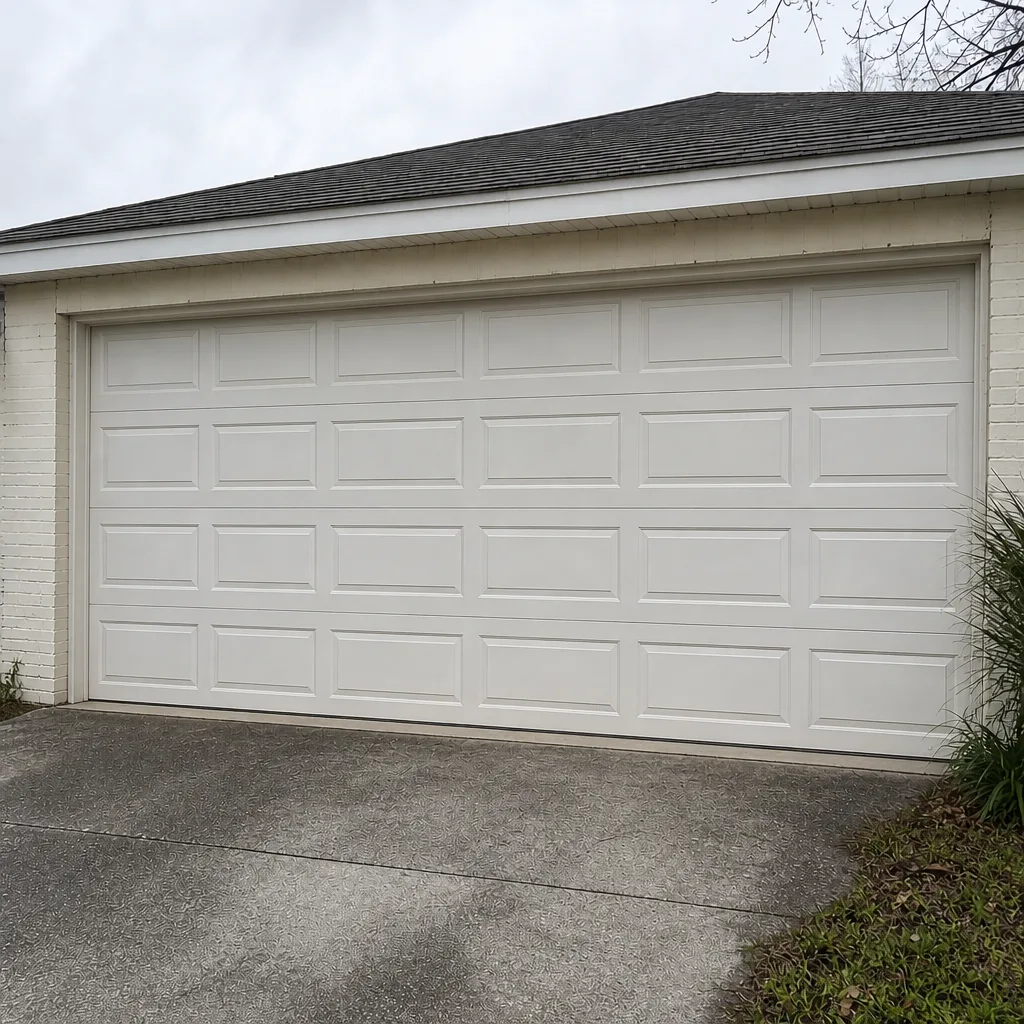 After
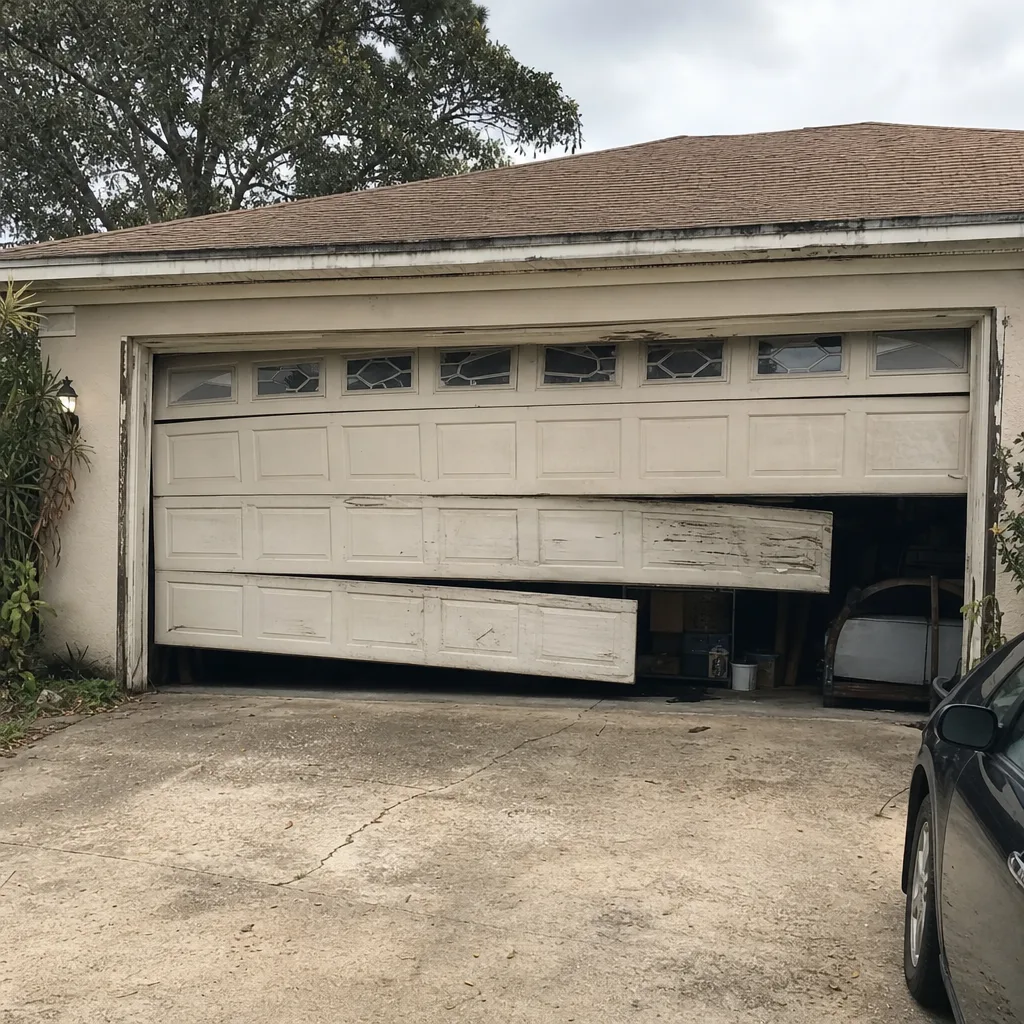 Before
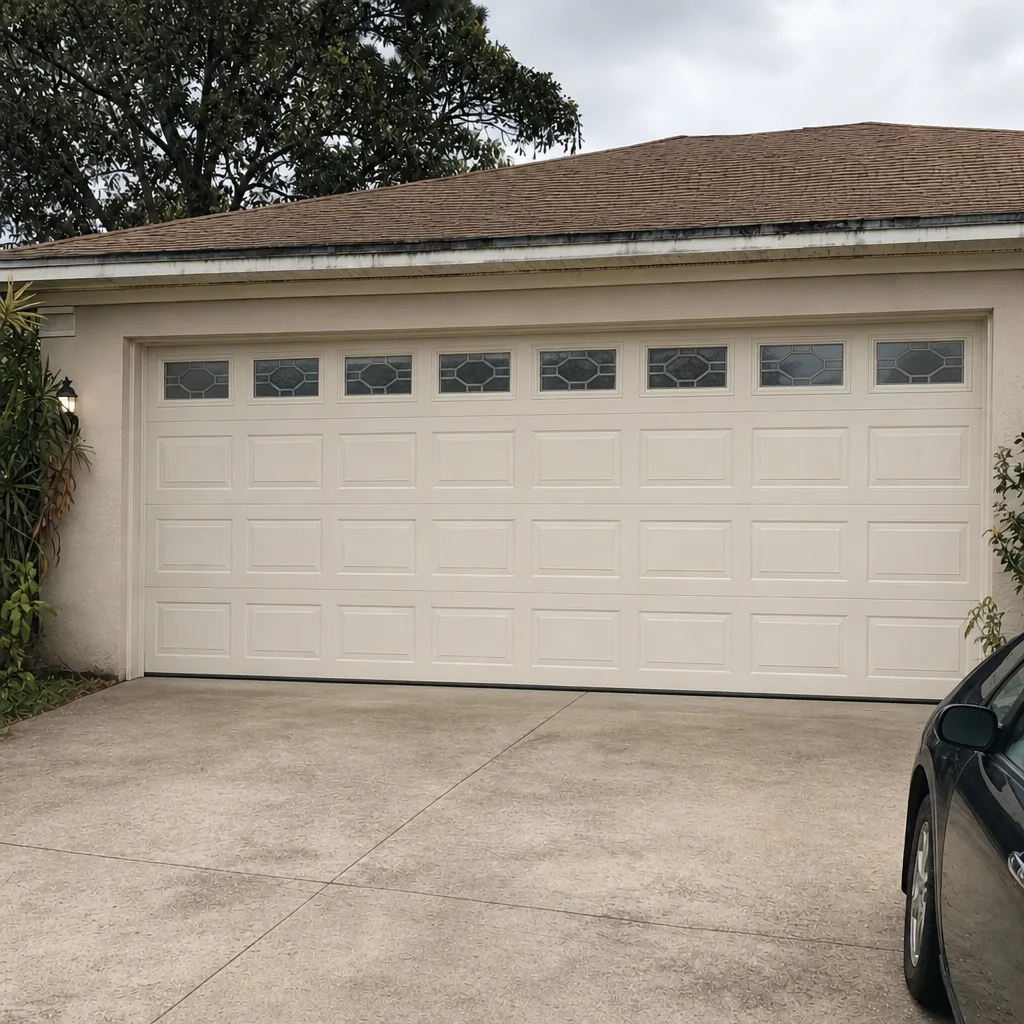 After
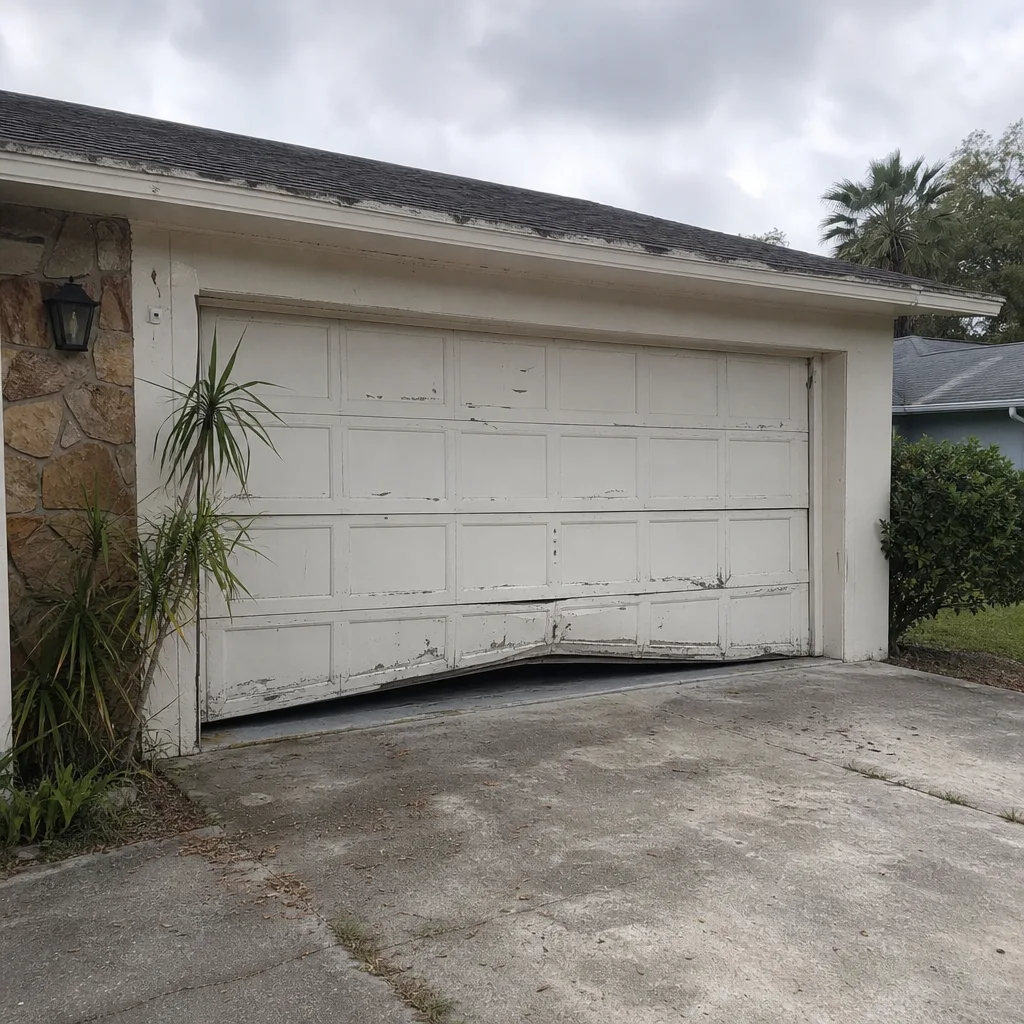 Before
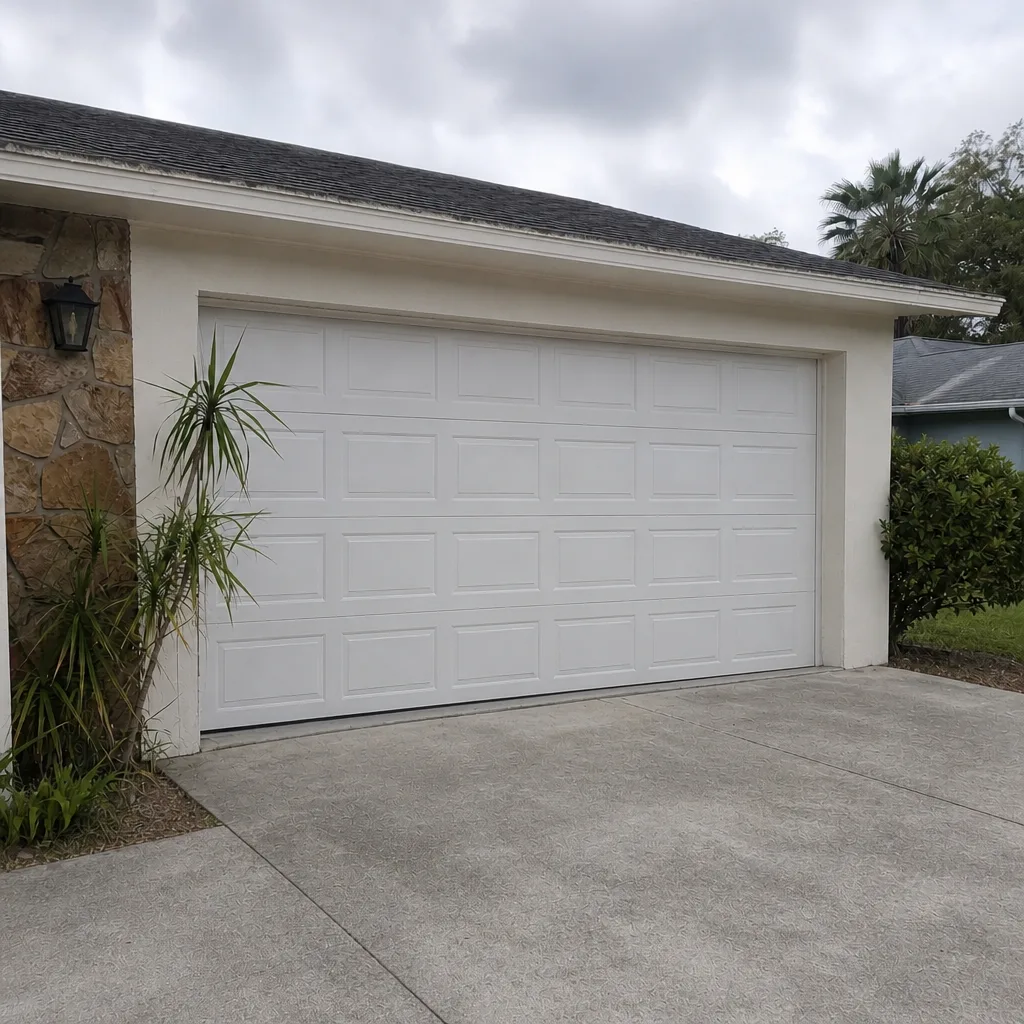 After
Common Mistakes to Avoid
- Doing the annual checkup in October. By October you’ve already been through the worst of storm season. Move the priority checkup to May and the humidity check to July or August.
- Letting a post-storm door “look fine” without checking. A door that still opens may have a bent track or a stretched cable that will fail under the next few hundred cycles. Walk the door closed, look at the panel lines and inspect the tracks after every tropical event.
- Greasing the tracks. Grease in the tracks traps pollen and grit and wears the rollers faster. Tracks stay clean and dry; the rollers, hinges and springs are what get lubricated.
- Assuming the opener is the problem in summer. When a door reverses in July or August, nine times out of ten the opener is doing its job and the door is resisting. Swelling panels, a binding track or a drift in the force limit are more likely causes than a dead motor.
- Ignoring a pollen-fouled sensor. A door that won’t close in March is often just a dirty sensor lens. Wipe the lenses before assuming the opener has failed.
- Touching the springs or cables. Springs and cables are under very high tension and can cause serious injury if they release. Leave them to a trained professional; this is one of the few parts of your door where the risk is genuinely high.
- Replacing the door when a repair makes sense. A door with a bent track, a worn seal or a failing opener doesn’t need replacing. Get a diagnosis that weighs repair against replacement honestly, and replacement should only be the answer when repair genuinely isn’t cost-effective.
When to Call a Professional
Some of this calendar you can handle with a rag and a can of garage-door lubricant. Other parts are a hard stop. Call when the door doesn’t hold itself at halfway with the opener disengaged, when a cable shows loose strands or a kink, when a spring makes a loud snap or the door suddenly becomes very heavy, when a post-storm door has panels that no longer line up, when the door reverses on its own after a recalibration attempt, or when the emergency release cord won’t re-engage. Those are the situations where a trained technician is the right call, not a workaround.
Our technicians have up to 14 years of experience, and we work on the brand you already have, whether that’s LiftMaster, Chamberlain, Genie, Clopay, Amarr, Wayne Dalton, Craftsman or Raynor. Port Orange Garage Door Repair Co offers free estimates in Port Orange. Call (877) 492-2561. We answer 24/7. Fast dispatch from 7am to 7pm, Sunday through Friday. The price is quoted and agreed before any work starts, so there’s no invoice surprise at the end.
Frequently Asked Questions
May is the best month for a full tune-up, because it’s the last calm window before hurricane season and it lets you catch balance, hardware and seal issues before the highest-stress stretch of the year. If you only do one other visit, make it a post-storm reset after any tropical system in September or October. The traditional October checkup lands too late for Port Orange’s climate.
It reverses in summer because heat and humidity raise the door’s resistance past the opener’s force limit, so the opener reads normal load as an obstruction. Wood panels swell, steel tracks expand and the force setting that worked in April is now too tight. A recalibration usually fixes it; if it returns after that, the door needs a balance check. Call (877) 492-2561 for an exact quote and a free estimate.
Yes, especially after a weak one. Wind events that don’t do obvious damage still stress the tracks, cables and panel alignment, and a door that opens fine can have a bent track or a frayed cable that will fail within weeks. The walk-around is quick: look at the door closed from the inside, feel the tracks and check the cables for fraying. If anything’s off, don’t touch the springs or cables yourself.
Yes, and the dry season from December to February is the best window. Use a garage-door-specific lubricant on the rollers, hinges and torsion spring coils, and keep the tracks clean and dry rather than greased. Lubricating in the dry months means the coating won’t be washed away by rain and heat the following week, so it lasts until the next summer.
Most issues are a repair, not a replacement. A bent track, a worn seal, a failed spring, a cable or an opener problem all fall on the repair side. Replacement only makes sense when the door’s panels are structurally compromised or the hardware has failed broadly enough that repairs stack up past the cost of a new door. We’ll weigh both honestly and tell you which makes more sense for your door.
Yes. Same-day service is available for urgent repairs, including a door that’s stuck open, stuck closed or off its track. Call (877) 492-2561. We answer 24/7. Fast dispatch from 7am to 7pm, Sunday through Friday. A call outside dispatch hours is booked into the next opening, Sunday through Friday, 7am to 7pm.
The Bottom Line
A garage door in Port Orange doesn’t follow the four-season maintenance advice you’ll find on most sites. The working calendar here is: a hurricane-season inspection in May, close attention to humidity and opener calibration in July and August, a reset after every tropical system through November, a lubrication and weatherstrip pass in the dry winter months, and pollen cleanup in March and April. Two of those, May and the post-storm reset, deserve a trained technician rather than a homeowner-only check. Handle the small stuff yourself, leave the springs and cables to us, and get ahead of the calendar. Port Orange Garage Door Repair Co can help at any point in the year: call (877) 492-2561, and we’ll give you a free estimate and a written price before any work begins.
Written by the team at Port Orange Garage Door Repair Co.