
Last updated November 21, 2026
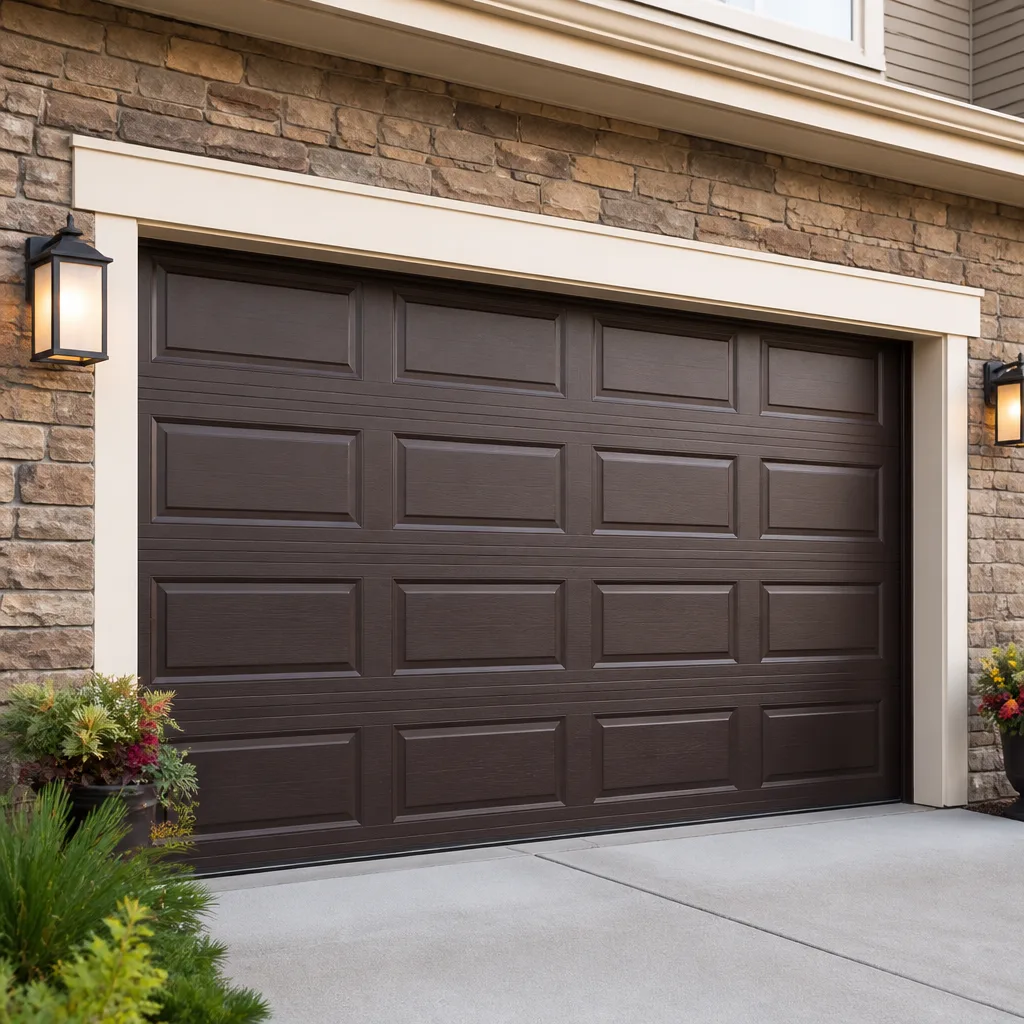 Raised-panel steel
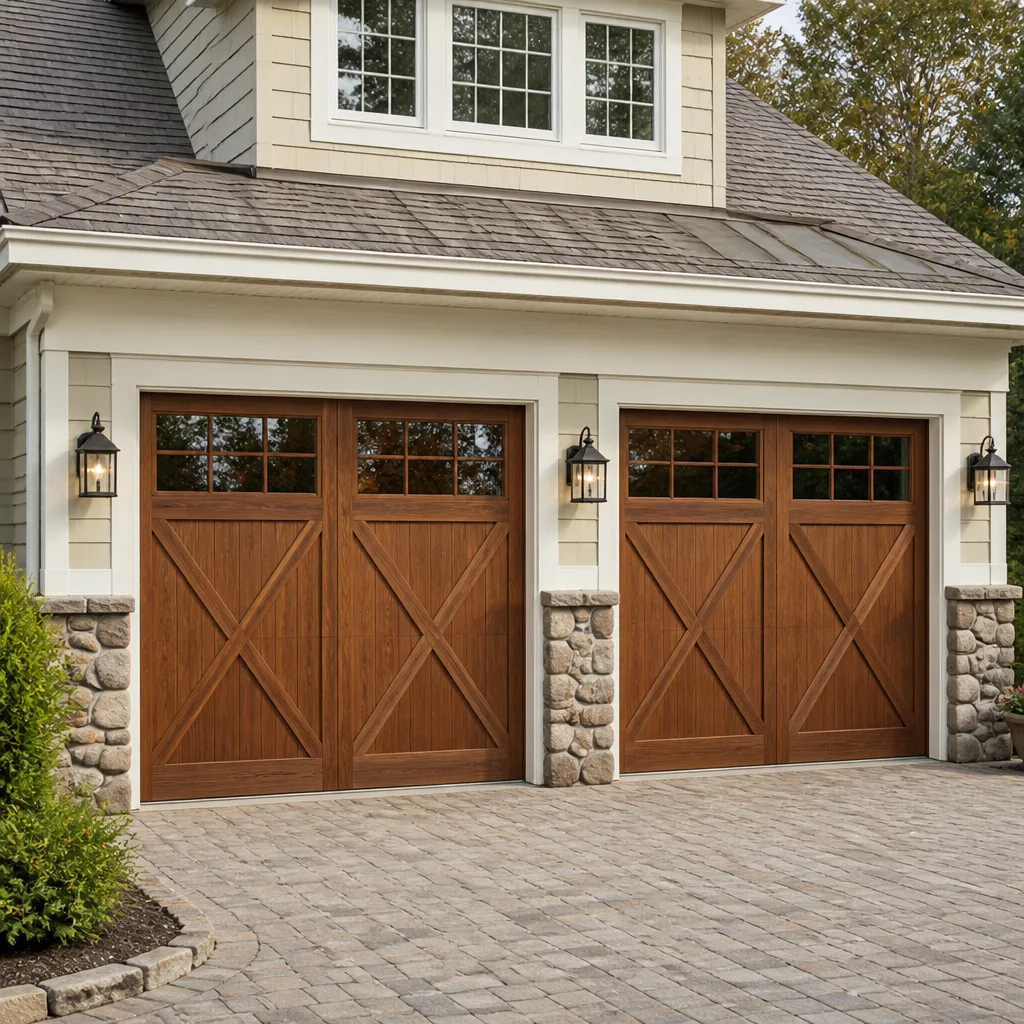 Carriage house
 Modern flush
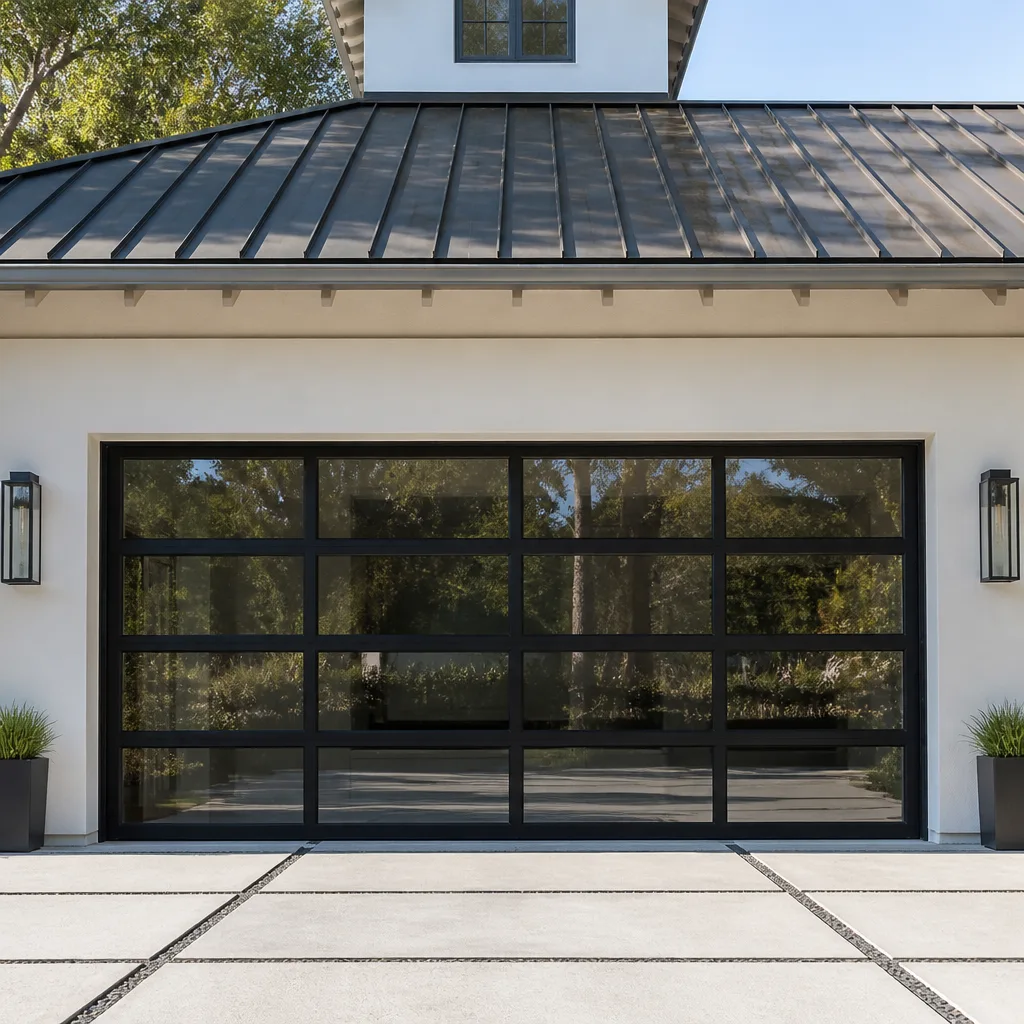 Full-view glass
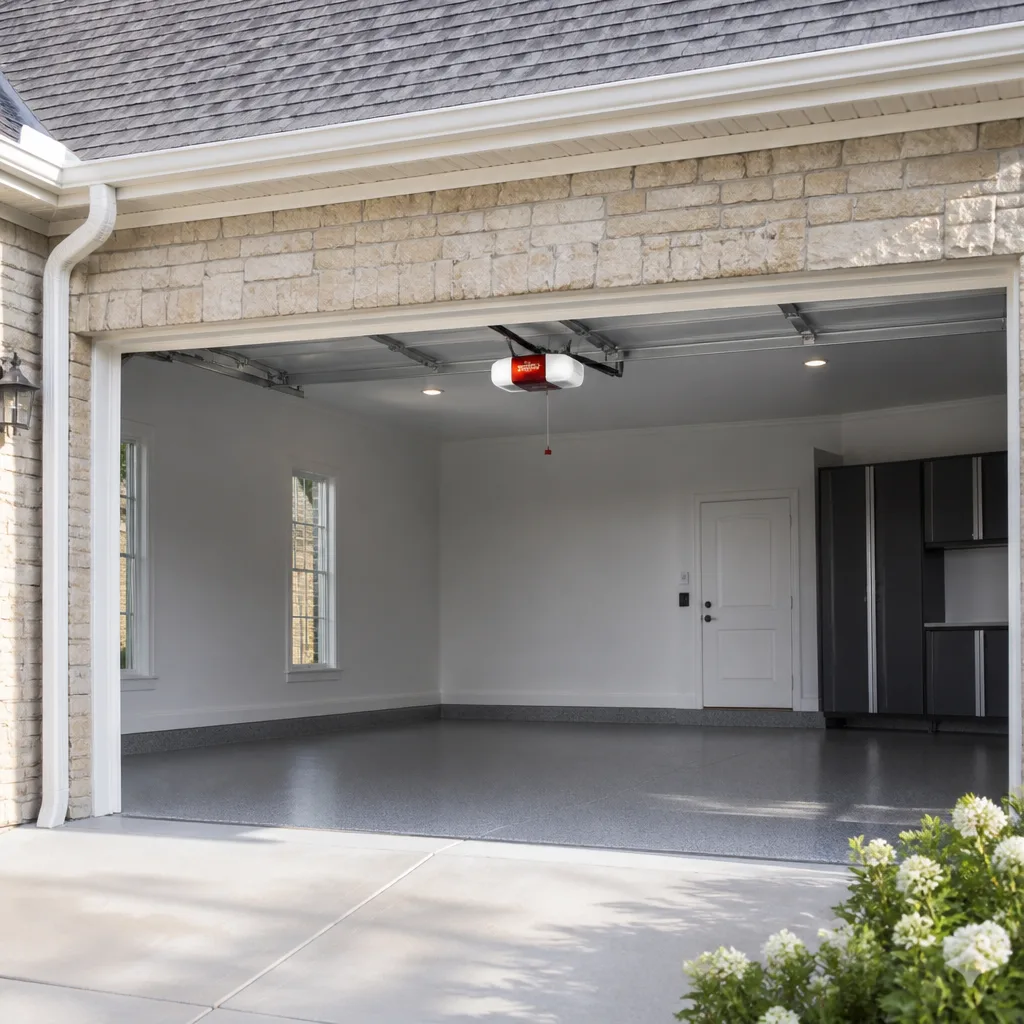 LiftMaster openers
 Chamberlain openers
Full 25-point door and opener safety check with every visit - springs, cables, rollers, tracks, and your LiftMaster or Chamberlain opener included
You get a price before we start. It does not change when the pro arrives.
Get your free estimateDIY vs Professional Garage Door: The Port Orange Homeowner’s Decision Guide
Search “torsion spring replacement” on YouTube and you’ll find no shortage of confident voices telling you it’s a straightforward project for a handy homeowner. What those videos rarely mention is how much the outcome depends on your specific spring setup, your door’s current condition, and the climate your hardware lives in. In Port Orange, humidity and sun do things to garage doors that a tutorial filmed in a dry, climate-controlled shop won’t show you. This guide maps the safe-to-DIY and not-safe-to-touch spectrum honestly so you can decide with facts instead of false confidence or blanket fear.
Quick Answer
Some garage door tasks are genuinely homeowner-appropriate: sensor alignment, lubrication, remote reprogramming, and bottom seal replacement are all reasonable DIY projects for a careful homeowner. Torsion springs, cables, and anything involving the door’s balance or the high-tension system should go to a trained professional every time, no exceptions. In Port Orange, the humidity and sun exposure also lower the success rate of supposedly simple DIY repairs because hardware corrodes and seals harden faster here than in drier climates.
Styles & brands we work with
- Raised-panel steel
- Carriage house
- Modern flush
- Full-view glass
- LiftMaster openers
- Chamberlain openers
Table of Contents
- The DIY Spectrum: What’s Safe and What Isn’t
- How Port Orange Climate Changes DIY Outcomes
- The Tool Cost Reality Check
- Why Springs Are Different From Everything Else
- Warranty, Insurance, and Wind-Rated Doors
- The Middle Path: Watch Once, Handle It Next Time
- Common Mistakes to Avoid
- When to Call a Professional
The DIY Spectrum: What’s Safe and What Isn’t
The DIY-versus-professional debate gets framed as a binary, but it’s really a spectrum. Some jobs are well within reach for a careful homeowner with basic tools. Others carry real injury risk that no tutorial can eliminate. Here’s how we see the split after working on doors across Port Orange.
Genuinely homeowner-appropriate tasks
- Photo-eye sensor alignment. If the door reverses on its own or refuses to close, the sensors are usually misaligned or blocked. Straightening the brackets and clearing the lens takes a few minutes and no special tools.
- Lubrication. A garage door has hinges, rollers, and tracks that benefit from periodic lubrication. Use a product made for garage doors, not general-purpose grease that attracts grit.
- Remote and keypad reprogramming. Clearing old codes and pairing a new remote is a manual-reading exercise, not a mechanical one. Every major opener brand, including Genie and LiftMaster, publishes clear reprogramming steps.
- Bottom seal replacement. A worn bottom seal lets water and pests in. Sliding a new seal into the retainer is a reasonable DIY job if the retainer itself is intact.
- Visual inspection. Looking for frayed cables, worn rollers, or bent tracks costs nothing and helps you decide what comes next.
Tasks where professional handling is a hard recommendation
- Torsion spring replacement. The spring stores enough energy to cause serious injury. This is not a job for a homeowner, period.
- Cable replacement. Cables are under constant tension and can whip if released incorrectly.
- Track realignment after impact. A bent track affects the whole door’s travel and needs to be squared properly.
- Panel replacement on a wind-rated door. Getting the panel seated and the reinforcement right matters for the door’s rated performance.
- Opener motor or gear replacement. The electrical and mechanical work overlaps, and a wrong diagnosis wastes money on parts you didn’t need.
If you’re not sure which category your issue falls into, that’s the moment to call. A free estimate tells you whether you’re looking at a ten-minute fix or a job that needs a technician. Port Orange Garage Door Repair Co handles garage door repair across the full range of these problems, and we’ll tell you honestly which side of the line your door is on.
How Port Orange Climate Changes DIY Outcomes
Tutorial videos are usually filmed in dry, temperature-controlled shops. Your garage in Port Orange is not that environment. The combination of high humidity and strong sun exposure changes how hardware behaves, and it changes which DIY repairs actually succeed on the first try.
Corrosion-frozen hardware
Fasteners, hinges, and track bolts that sit in humid air for years seize up in ways that surprise homeowners who’ve watched a video of the same job done on clean, dry hardware. What looks like a five-minute bolt removal turns into a stripped head or a snapped fastener. When that happens mid-repair, the door can end up worse off than when you started. A technician who works in Port Orange regularly knows to expect this and brings the right tools to deal with it.
Humidity-swollen panels
Wood and some composite door panels absorb moisture over time. In Port Orange’s humid air, that means panels can swell slightly, which affects how they sit in the tracks and how easily they can be removed and reinstalled. A homeowner following a tutorial written for a dry climate may find the panel simply won’t slide out the way the video showed.
Sun-brittle weatherstripping
Weatherstripping and bottom seals degrade faster under strong, consistent sun. They become brittle and crack rather than flexing. When you try to pull an old seal out, it can crumble into pieces that are harder to remove than a pliable seal would be. The replacement is still a reasonable DIY job, but expect it to take longer than the video suggests.
What this means for your decision
If a task is borderline on the safe/unsafe spectrum, Port Orange’s climate pushes it toward professional. The job that might be a clean 20-minute DIY in a dry climate can turn into an hour of fighting seized hardware here. That’s not a reason to be afraid of your door. It’s a reason to be realistic about what one-time DIY actually costs you in time and frustration.
The Tool Cost Reality Check
Every DIY guide assumes you already own the tools. When you don’t, the math changes fast. Some garage door jobs require a tool investment that exceeds what a professional repair would cost, which makes DIY economically irrational for a one-time need.
Tools that make sense to own
- A socket set and screwdrivers, which most homeowners already have.
- A level, useful for checking track alignment before you decide whether to call.
- A lubricant made specifically for garage door hardware.
- Work gloves and safety glasses, which cost little and protect you during inspection.
Tools that rarely pay off for one job
- Torsion spring winding bars. These are specific to the job, and using them incorrectly is dangerous. Buying them doesn’t make the job safe.
- Cable pullers and tension tools. These are trade tools that sit in a drawer after one use.
- Track bending tools. Realigning a track properly needs more than a hammer and a block of wood.
Run the numbers before you start. Add up the tools you’d need to buy, the time the job will take, and the risk that you’ll need to call a professional anyway after a partial attempt. For most Port Orange homeowners tackling a one-time repair, the tool investment tips the math toward a professional estimate. A free estimate costs you nothing and tells you the real scope of the job.
Why Springs Are Different From Everything Else
Torsion and extension springs are the one part of a garage door system that we will always tell a homeowner not to touch. It’s not gatekeeping. A spring under tension holds enough stored energy to cause serious injury in a fraction of a second if it releases unexpectedly, and the tools and technique required are specific to the trade.
What the videos get wrong
Online tutorials often show a spring replacement on a door that’s already been prepped, on hardware that isn’t seized, with the camera positioned to make the job look simpler than it is. They rarely show the part where a winding bar slips or a cable snaps. The tutorials also tend to skip how to assess whether a spring is the actual problem or a symptom of something else. A door that won’t open isn’t always a spring issue. Sometimes it’s a cable, a roller, or the opener itself. Misdiagnosing it and buying the wrong part wastes money.
How a professional approaches it
When we handle garage door spring repair, the first step is confirming the diagnosis before any part is ordered. Springs come in different wire gauges and lengths, and the wrong spring for your door will wear out fast or leave the door unbalanced. We match the spring to the door, replace the pair together when both are worn, and check the door’s balance and travel before we call the job done. That’s the difference between a repair that lasts and one that fails again in a few months.
If your door has a broken spring, don’t try to operate it manually to “test” it. The door is heavier than it looks without spring tension, and the opener can be damaged trying to lift it. Call and let a technician assess it.
Warranty, Insurance, and Wind-Rated Doors
This is the part of the DIY question that most guides skip, and it matters in Port Orange, where wind-rated doors are common because of the area’s exposure to tropical weather. Self-repair can affect both your door’s warranty and how your homeowner’s insurance treats that opening.
Manufacturer warranty
Most garage door manufacturers, including Clopay, Amarr, and Wayne Dalton, write their warranties to cover defects in materials and workmanship. Improper installation or repair can void coverage on the affected components. If you replace a spring yourself and the opener fails a month later, the manufacturer may attribute the failure to the repair. That’s a real risk on a door that’s still under warranty.
Wind-rated door implications
A wind-rated door is rated as a complete system, including the panels, the reinforcement, and the anchoring. If you remove and reinstall a panel or change the reinforcement, the door may no longer perform the way it was rated. Your homeowner’s insurance policy may have specific language about wind-rated openings. We’re not insurance advisors, and we can’t tell you what your policy covers, but we can tell you that a door altered by a homeowner repair is a different door from the one that was rated.
What to do before you DIY
- Check your door’s warranty documentation for language about owner-performed repairs.
- Ask your insurance agent whether a self-repaired opening affects your coverage.
- If the answer is unclear, get a professional estimate before you touch the door.
The cost of a professional repair is often smaller than the risk of voiding coverage on a wind-rated door. That’s worth weighing before you pick up a wrench.
The Middle Path: Watch Once, Handle It Next Time
There’s a third option that most guides ignore: hiring a professional for the first repair and using it as a learning opportunity. This works well for recurring maintenance tasks where the homeowner wants to handle it in the future.
How it works
- Book the repair. Schedule the job with a technician who’s willing to walk you through what they’re doing.
- Watch and ask questions. Ask why the part failed, how often it needs replacing, and what the warning signs are.
- Ask for a maintenance walkthrough. A good technician will show you how to lubricate the hinges, check the sensors, and inspect the seal.
- Take notes. Write down what you saw so you can repeat the maintenance steps later.
- Handle the safe tasks yourself next time. The lubrication, sensor checks, and seal inspections are yours to maintain.
This approach works especially well for garage door opener repair. Opener diagnostics involve reading the unit’s error codes and understanding how the safety reverse works. Once you’ve seen it done, you’ll recognize the symptoms earlier the next time something goes wrong. Our technicians have up to 14 years of experience and can explain what they’re doing as they work.
For spring and cable work, the middle path doesn’t apply. Watch as much as you like, but leave the repair to the technician.
Common Mistakes to Avoid
- Assuming a stuck door means a broken spring. It’s the most common diagnosis homeowners jump to, but the real cause could be a cable, a roller, or the opener. Misdiagnosing means buying the wrong part. Get a proper look before you order anything.
- Using general-purpose grease on the tracks. Grease that isn’t made for garage doors attracts grit, and grit wears the rollers faster. Use a product labeled for garage door hardware.
- Ignoring the safety reverse. If the door doesn’t reverse when it meets an object, the opener’s safety system has failed. This isn’t a cosmetic issue. Stop using the door until it’s fixed.
- Adjusting the track with a hammer. Tracks need to be squared and aligned, not bent into place. A hammer adjustment usually causes more problems than it solves, especially on hardware that’s already stiff from Port Orange humidity.
- Pulling on a door with a broken spring. The door is much heavier without spring tension. Forcing it can damage the opener and put you in a risky position.
- Buying a spring without matching the gauge. Springs vary in wire gauge and length. The wrong one will wear out quickly or leave the door unbalanced. A technician can match it correctly.
- Repairing a wind-rated door yourself without checking the warranty. Self-repair can affect coverage on a rated opening. Check before you start, not after.
When to Call a Professional
Call a professional if the door has a broken spring, a snapped cable, a bent track, or a door that’s off its track entirely. Call if the opener runs but the door doesn’t move, if the safety reverse fails, or if the door is out of balance and won’t stay at the halfway point. Call if you’ve attempted a DIY fix and it didn’t work. And call if your door is wind-rated and the repair involves panels or reinforcement. Port Orange Garage Door Repair Co offers free estimates in Port Orange. Call (877) 492-2561 and we’ll tell you what the job involves before any work starts.
Frequently Asked Questions
No. Torsion and extension springs store enough energy to cause serious injury if they release unexpectedly, and the tools and technique needed are specific to the trade. A professional will confirm the diagnosis, match the spring to your door, and check balance and travel after the repair. Call (877) 492-2561 if you have a broken spring.
Yes, in most cases. If the door reverses on its own or won’t close, the sensors are usually misaligned or blocked. Straightening the brackets and clearing the lens takes a few minutes and no special tools. If realignment doesn’t solve it, the sensor or wiring may need professional attention.
It depends on the job, and that’s why we quote per job by written estimate rather than publishing fixed pricing. A sensor alignment or seal replacement is far less than a spring or opener repair. The estimate is free, and the written quote sets the final price before any work starts. Call (877) 492-2561 for an exact quote.
It can. Most manufacturers, including Clopay and Amarr, write warranties to cover defects in materials and workmanship, and improper repair can void coverage on the affected components. Check your warranty documentation before you start, especially on a door that’s still under warranty.
Don’t force it. If the door is stuck open, secured or not, don’t leave it that way for long because it’s an open entry point. If it’s stuck closed, don’t force the motor. Call Port Orange Garage Door Repair Co for a same-day assessment. We answer 24/7 and offer fast dispatch from 7am to 7pm, Sunday through Friday.
We’re closed Saturday. We answer 24/7 and offer fast dispatch from 7am to 7pm, Sunday through Friday, so a door that fails on Saturday gets booked into the next opening. Call (877) 492-2561 and we’ll get you on the schedule.
The Bottom Line
The DIY-versus-professional question isn’t about whether you’re capable enough. It’s about whether the specific task on your specific door is safe and economically sensible for a homeowner. Sensor alignment, lubrication, remote programming, and seal replacement are reasonable DIY projects. Springs, cables, track realignment, and wind-rated panel work belong with a professional, and Port Orange’s humidity and sun make borderline jobs harder than the tutorials suggest. When you’re not sure which side of the line you’re on, get a free estimate and decide with facts. Call (877) 492-2561. We answer 24/7. Fast dispatch from 7am to 7pm, Sunday through Friday. Written by the team at Port Orange Garage Door Repair Co.
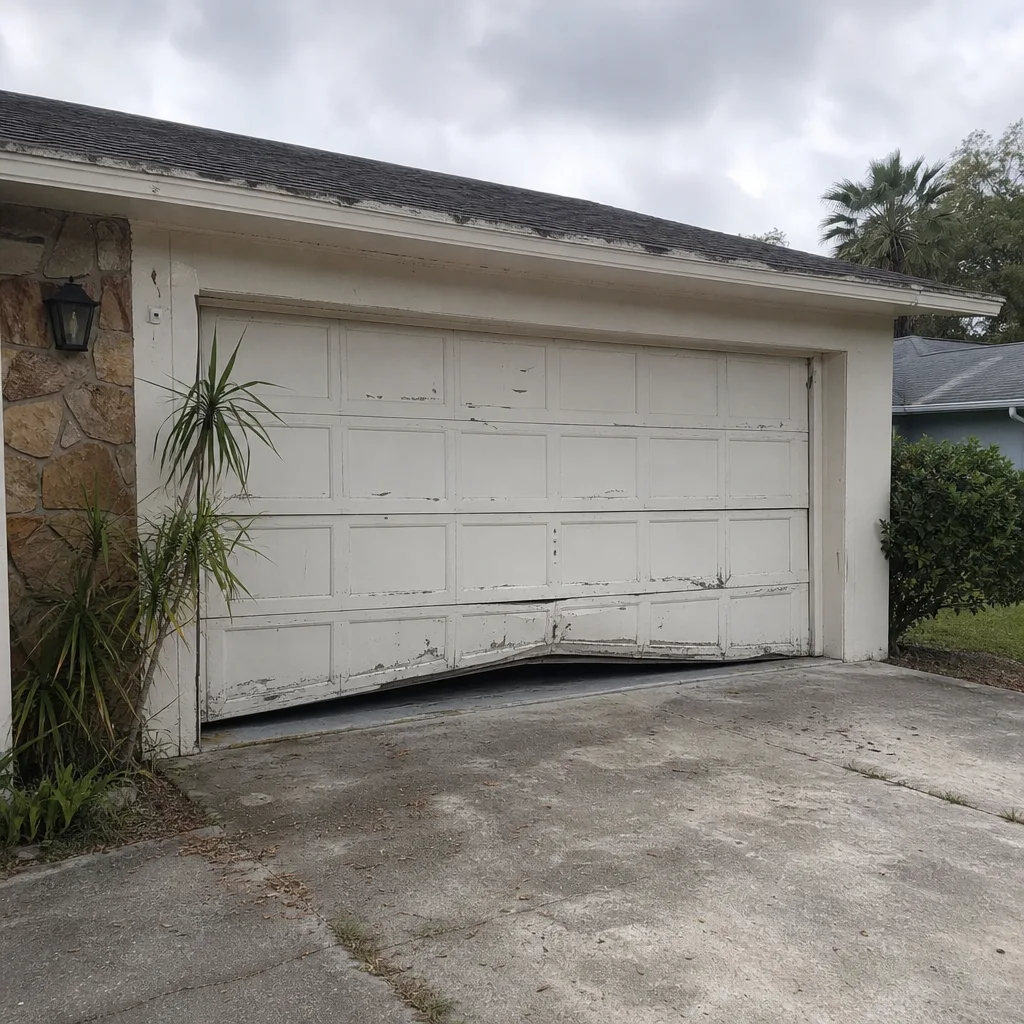
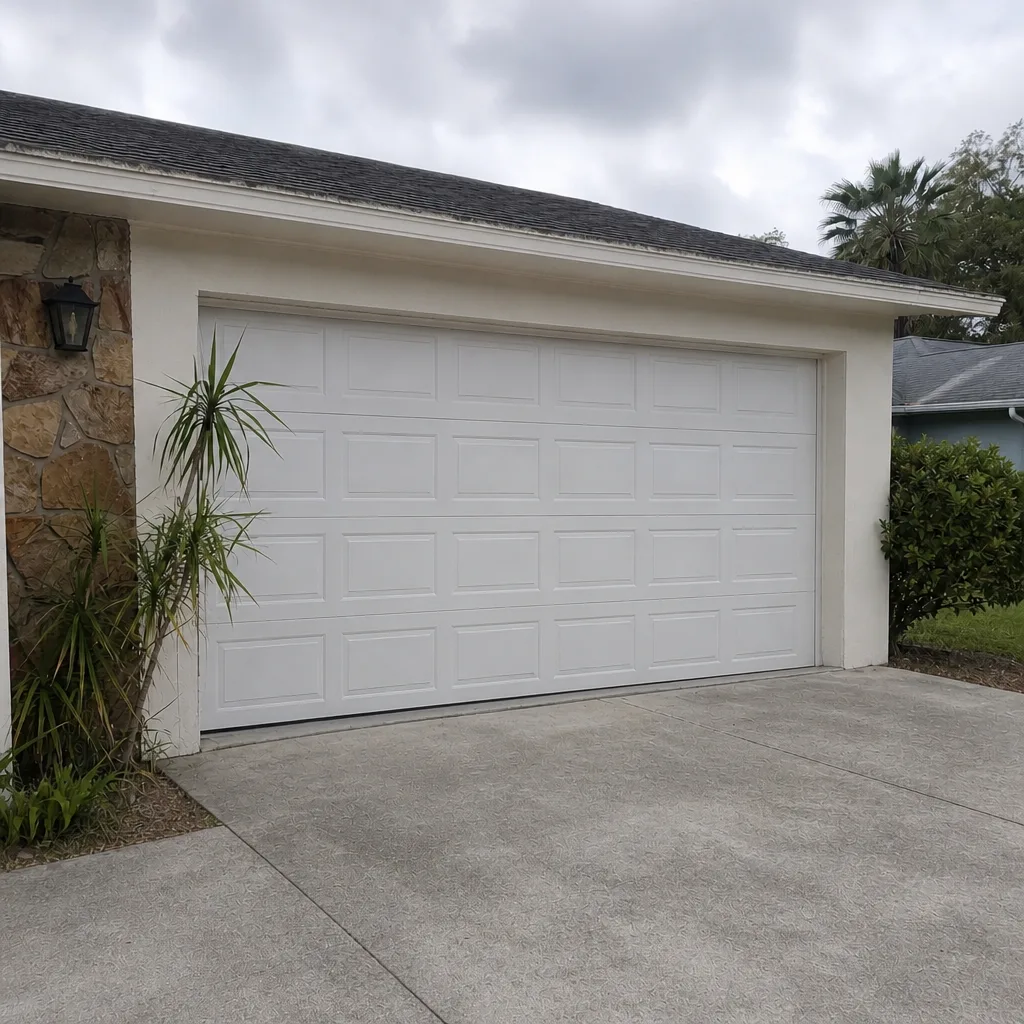
See the difference
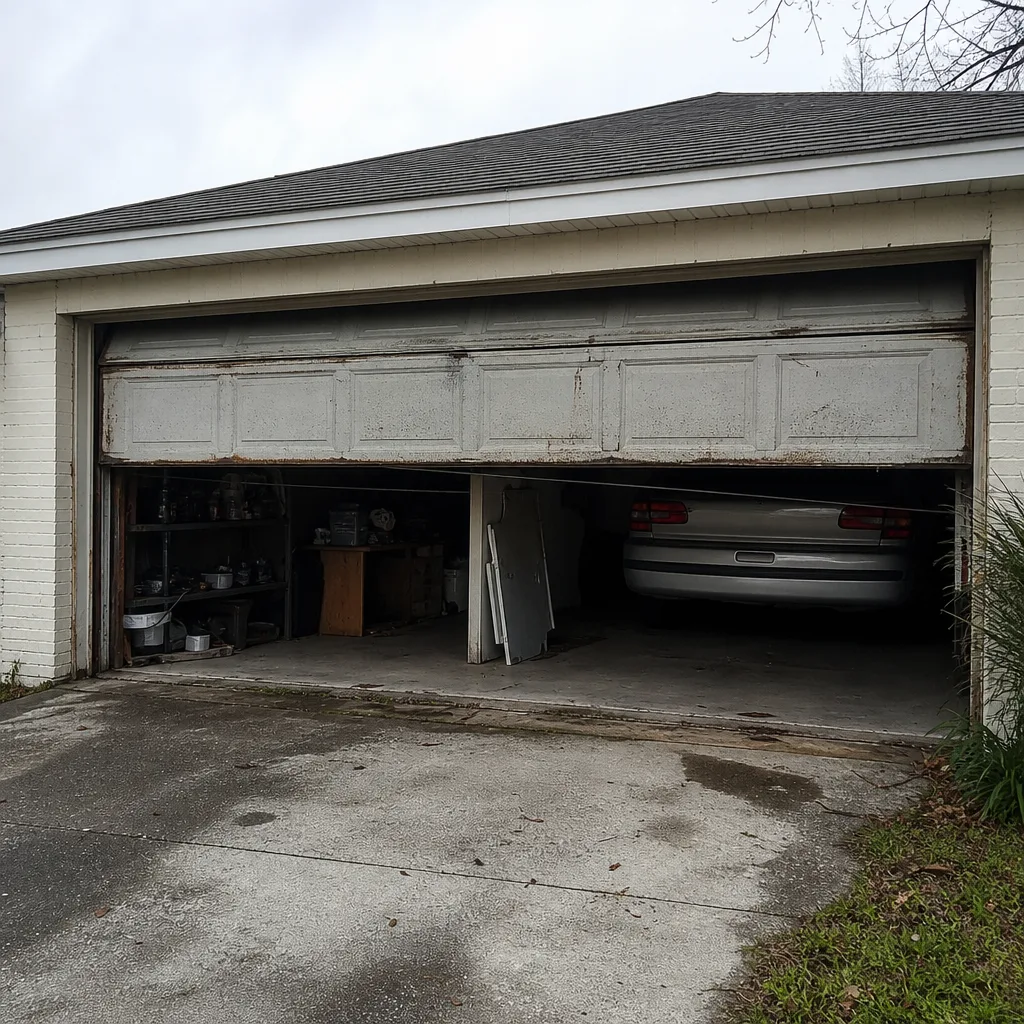 Before
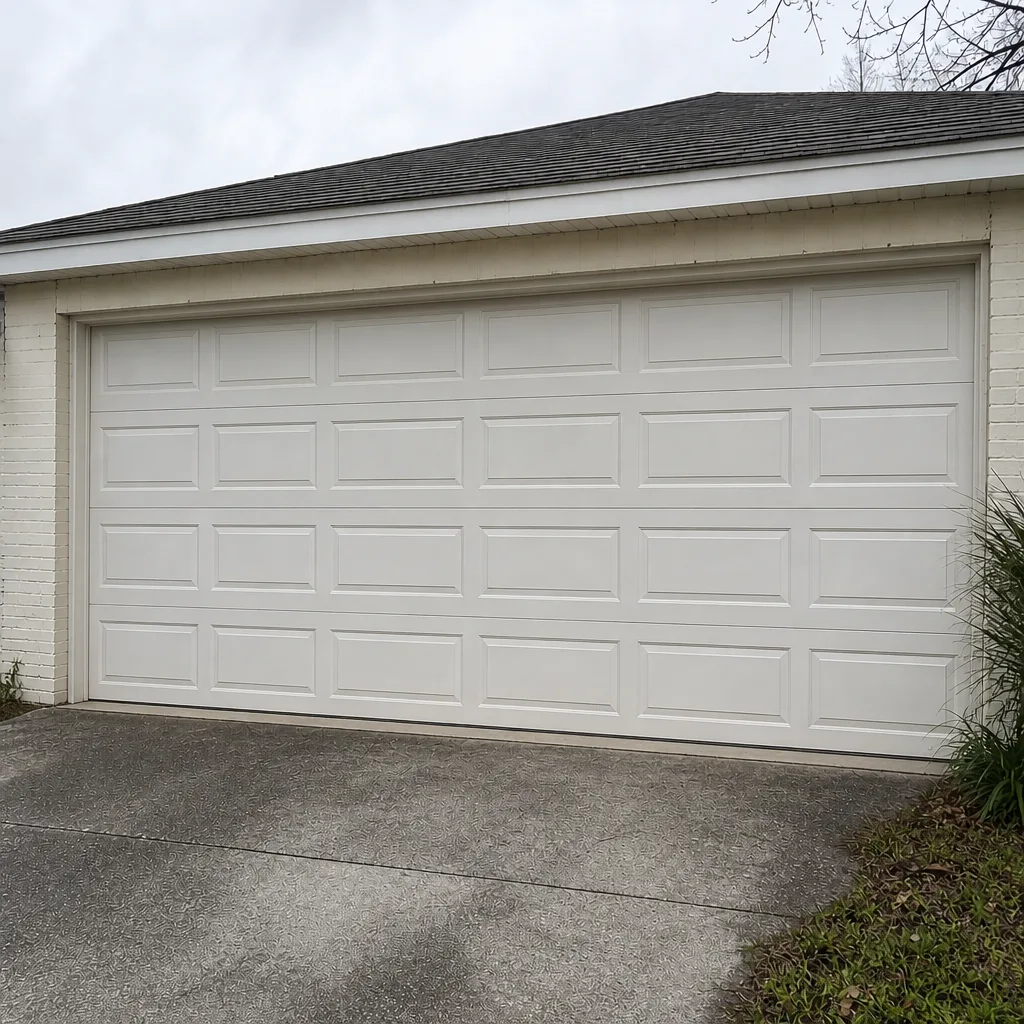 After
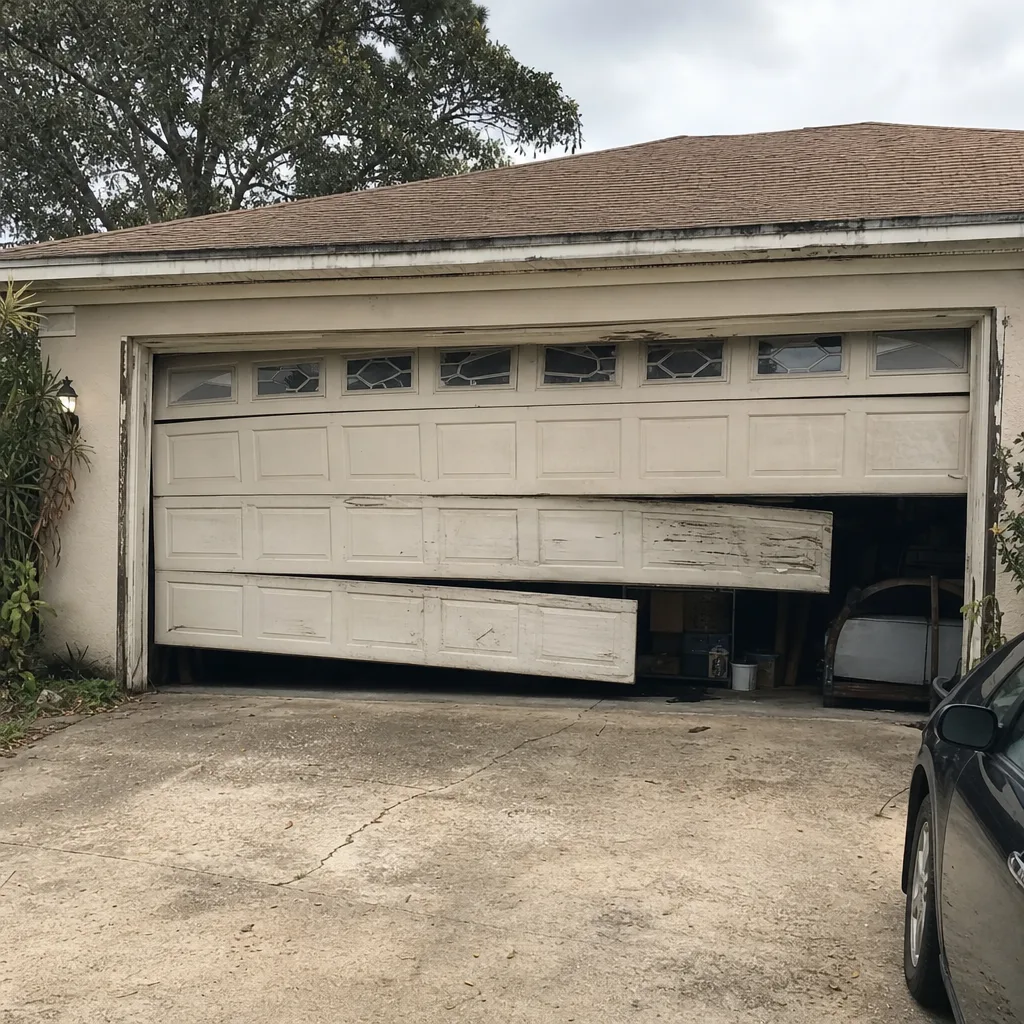 Before
 After
 Before
 After